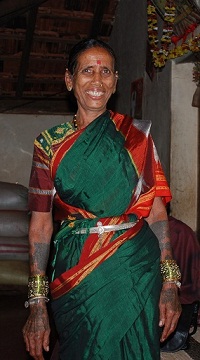
ceremony and rituals of life, symbolized in geometric patterns.
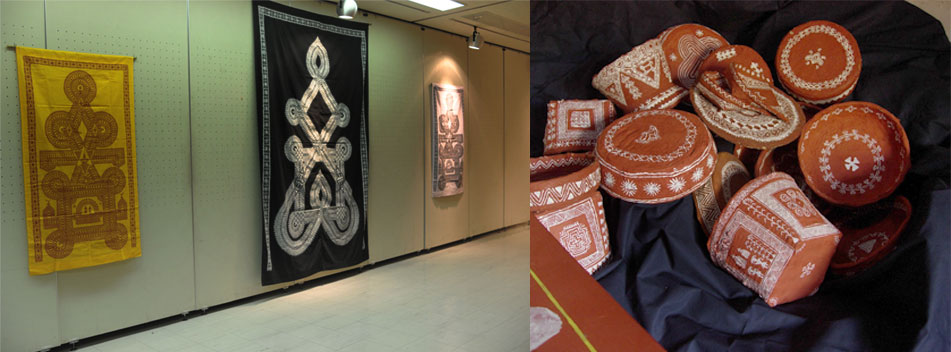
Center for Revival of Indigenous Art
CFRIA) is a voluntary, non profit Organization, that is committed towards preserving Indigenous Art practices in India. CFRIA is working towards reviving the indigenous Art Practices which is committed towards building awareness...
Read MoreUpcoming Events
CFRIA, plans to construct Deevaru's traditional houses – as cottages at Sagar, to promote rural tourism. These structures will be environmental friendly and will be constructed with the locally available materials.
Read MoreCommunity center will be built to teach, to promote and showcase art and crafts made by Deevaru community and the centre will establish a sales outlet and an online stores to market Chittara paintings...
Read MoreChittara is an autochthonous art practice. It is a ubiquitous cultural phenomenon of the Deevaru
community – a matriarchal and an agrarian community of nature worshipers, residing in an around
Sagar. It is engaged primarily by the Women folk of the community as a socio-cultural practice,
which embodies a microcosm of socio-cultural dynamic.
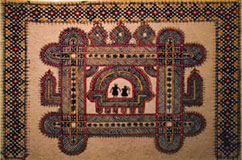
Nestled in the ranges of verdant western ghats of North Canara lives Deevaru community. Chittara drawings are intricate patterns, that represent the auspicious ceremony and rituals of life, symbolized in geometric patterns. This requires a certain understanding of ratios and proportions, which the women of the community have been using with great dexterity. This folk art was and still is a part of their day-to-day life. It was never a profession, but a practice that has artistic and socio-cultural value.
The paintings are usually 2 – 3 feet in size, aesthetically refined, made of symbols representing their physical environment. They use eco-friendly natural resources like ground rice paste for white colour, roasted rice for black, yellow seeds (Gurige) red earth and the brushes are made up of Pundi Naaru. For women of the Deevaru community Chittara paintings are a source of great joy, beauty and creativity. They are proud of their tradition, socially bonded and culturally integrated by unique customs and ritualistic practices.
Undoubtedly, the wealth of artistic workmanship holds eternal value. Amidst the urban landscape, the treasures of handicrafts like Chittara will certainly provide enriching relief in our daily life.